Parmesan Ricotta Gnocchi
Cheesy, pillowy gnocchi that are easy to make. The key is keeping the dough soft, so they come out light and tender.
Nutrition per 100g
Ingredients
- 425g Ricotta cheese
- 75g Parmesan cheese, grated
- 1piece Eggs, without shell
- 1piece Egg yolk
- 165g All-purpose flour, plus more for rolling
- 0.50g Ground nutmeg
Method
In a large mixing bowl, combine the ricotta cheese with the grated parmesan cheese, egg, egg yolk and ground nutmeg. Gradually stir in the flour. When the dough becomes too thick to stir, gather it by hand until it comes together.
Shape it into a disk, cover with cling film, and refrigerate for at least 20–30 minutes to rest.
Divide the dough disk into a portions that are easy to work with while shaping, keeping the rest covered.
Flour your work surface, then place one portion of the dough on it. Sprinkle a little more flour over the top to keep it from sticking, and roll the dough with your hands into a long rope, about thick. Cut it into bite‑sized gnocchi pieces and place them into baking sheet lined with parchment paper. Repeat with the remaining dough until all the gnocchi are shaped.
Fill a wide pot or saucepan with water, add a some salt, and bring it to a boil. Add the gnocchi one by one into the pot. Once they float to the top, let them cook one more minute or so.
Lift the gnocchi out with a slotted spoon and transfer them into a serving dish.
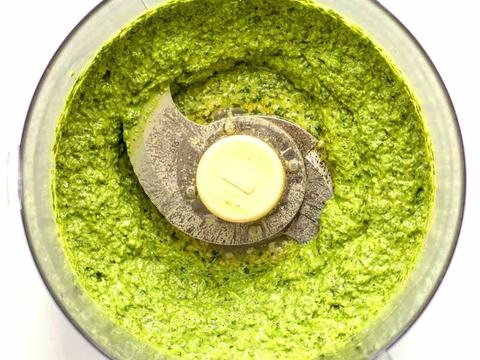
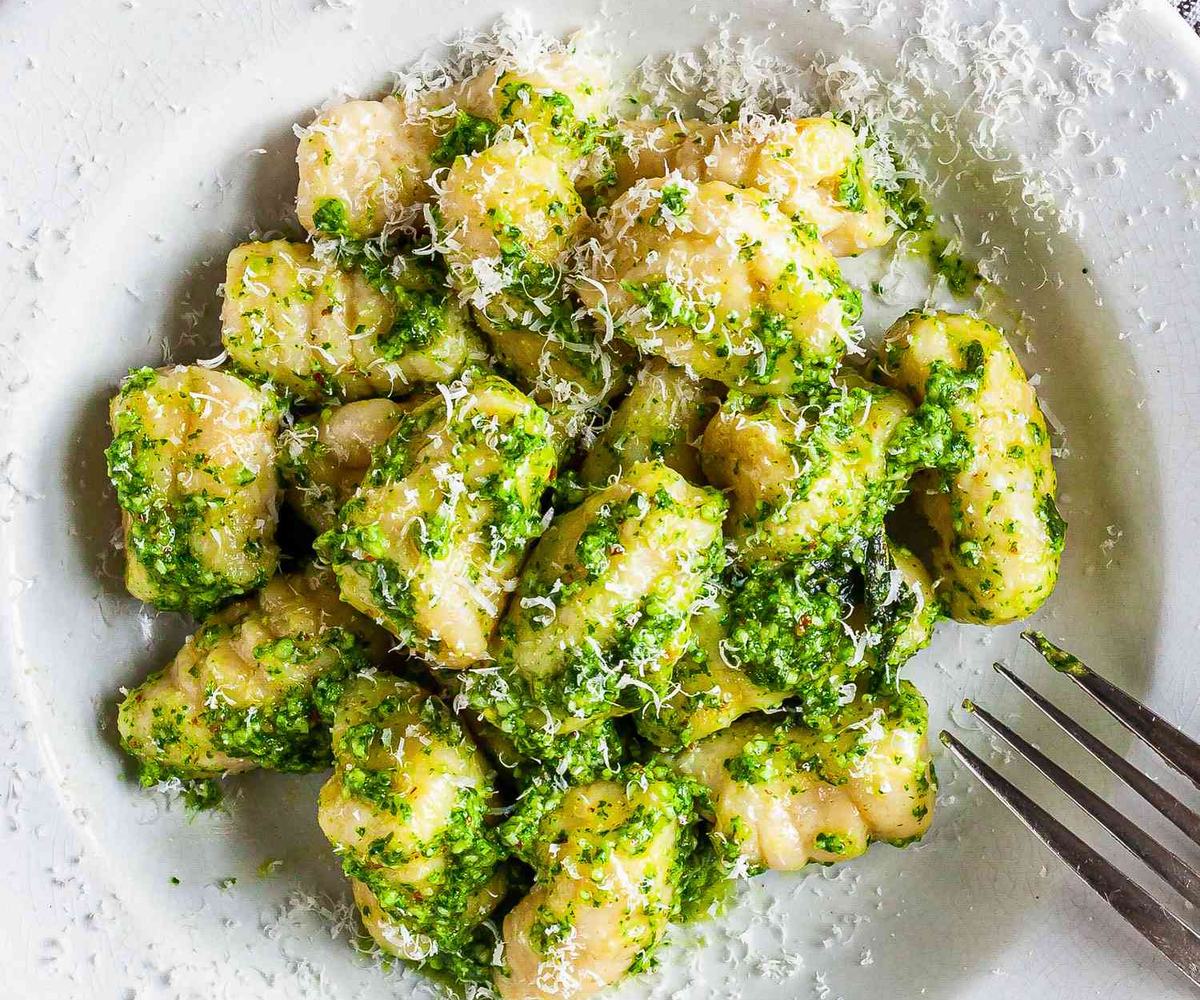
They are ready to enjoy as they are, with a drizzle of olive oil or some butter. For extra flavor, add a spoonful of pesto, and sprinkle some more grated cheese on top.
Storage
At room temperature
Shaped gnocchi should be cooked within 30 minutes of making, or transferred to the fridge or freezer.
Cooked gnocchi shouldn’t be left out for more than 2 hours.
In the refrigerator
The dough disk can be stored for up to 1 day, wrapped tightly.
Shaped gnocchi can be chilled for up to 1 hour. Longer refrigeration makes them soft and sticky, making them hard to remove from the sheet; for longer storage, choose the freezer instead.
Cooked gnocchi keep in an airtight container for up to 3 days; reheat in a skillet with butter or olive oil, or microwave.
In the freezer
Shaped gnocchi can be frozen in a single layer on a baking sheet until solid, then transferred to a freezer bag and stored for up to 3 months. Cook straight from frozen in boiling water.
Cooked gnocchi, once cooled, can also be frozen in a single layer, then transferred to a bag. Reheat them in a skillet over low‑medium heat or in the microwave until warmed through.
Notes
The amount of flour depends on your ricotta. If it’s dry, you’ll need less; if it’s too wet, drain it for a few hours first. Add the last few spoonfuls of flour gradually to check the consistency. The dough should be slightly sticky yet firm enough to shape into a disk.
For an authentic gnocchi shape, roll each cut piece down the tines of a fork or across a gnocchi board to form grooves.
FAQ
Do I need to strain ricotta for gnocchi?
It depends on the type of ricotta you have. If your ricotta has visible whey and spreads easily, it’s best to strain it. Excess moisture makes the dough sticky and forces you to add more flour, resulting in heavy and too floury gnocchi. To strain, place the ricotta in a cheesecloth-lined or fine-mesh sieve set over a bowl and refrigerate for at least 3–4 hours, preferably overnight.
If the ricotta holds its shape, has a creamy but not watery consistency, and doesn’t release extra liquid when stirred, it’s fine to use as is.
And if the ricotta feels dry and crumbly, it doesn't have much moisture, you may need to use slightly less flour or add a bit more egg or egg yolk to keep the dough balanced.
Why should I chill gnocchi dough?
Right after mixing, the dough can feel sticky, and it’s easy to add too much flour, which makes the gnocchi heavy. Letting the dough rest in the fridge allows the flour to fully hydrate and the dough to soften, making it smoother, less sticky, and much easier to shape without adding extra flour.
May I replace parmesan in ricotta gnocchi?
Yes, you can replace parmesan in ricotta gnocchi, but keep in mind that it may slightly change the flavor and texture of the dough.
Hard cheeses like pecorino, grana padano, aged gouda, or cheddar can be substituted in equal amounts. Softer cheeses such as mozzarella add extra moisture, which can make the dough stickier and require a bit more flour. Rich, creamy cheeses like gorgonzola or brie bring a strong, intense flavor, so the amount of cheese should be adjusted to your taste.
I’m out of cheese, is it okay to make ricotta gnocchi without it?
Absolutely! While parmesan or other hard cheeses are often used to help bind the dough and add that authentic savory note, they are completely optional. If you’re out of cheese or simply prefer a lighter, more delicate texture, check out this Ricotta Gnocchi Recipe—it’s perfect for making soft and fluffy gnocchi!
Why is my ricotta gnocchi sometimes gummy?
Ricotta gnocchi may turn gummy or rubbery because of excess moisture and an imbalance of flour. If the ricotta is quite moist and is not drained, you’ll end up adding more flour to fix the stickiness, which makes the dough heavy and dense.
Another reason is over‑mixing: when the dough is worked too long, gluten develops and tightens the texture. When rolling, it often feels tense and springs back. Cooked this way, boiling water can’t break through the tight gluten barrier, the gnocchi stay firm, chewy, and rubbery.
Make sure the ricotta you use isn’t too moist — if unsure, strain it for a few hours. Add the last spoons of flour gradually (it’s always better to add less than more), and once it becomes harder to mix with a spoon, switch to your hands. Keep your movements gentle, folding the flour in rather than kneading. If the dough still feels wet, let it rest briefly so the dough softens, making it easier to shape.
Can I make ricotta gnocchi for a crowd?
Sure, you can scale up the ingredient quantities for any serving size — the ratios stay balanced so the gnocchi always come out tender. Once all the gnocchi are shaped, the easiest way to manage a large batch is to freeze them until ready to use, then cook directly from frozen in boiling water. Use a wide, large pot so the gnocchi don’t stick together.
How do I know when my gnocchi is done?
You’ll know your gnocchi are done once all of them float to the surface. After that, let them cook for about a minute, depending on their size. If you’re not sure by sight, do a quick taste test, lift one out — it should be tender and soft. If it feels firm, doughy, or gummy with a raw center, give them a little extra time. You should catch that exact moment when they are just right and lift them out promptly. Do not let them sit in the water for too long, or they’ll overcook and turn soggy.
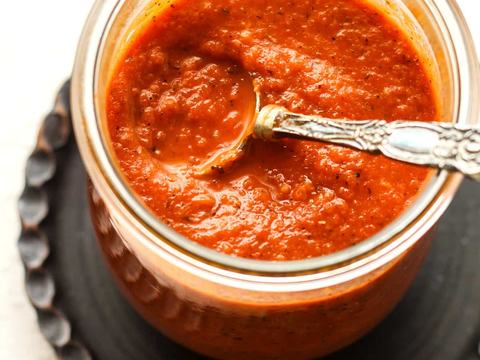
The moment they are ready, gently toss them straight into a vibrant Pesto sauce, a rich tomato-based Marinara sauce, or whichever your favorite is! Serve them fresh and hot, and enjoy a comforting bowl of freshly made gnocchi!