Marinara Sauce
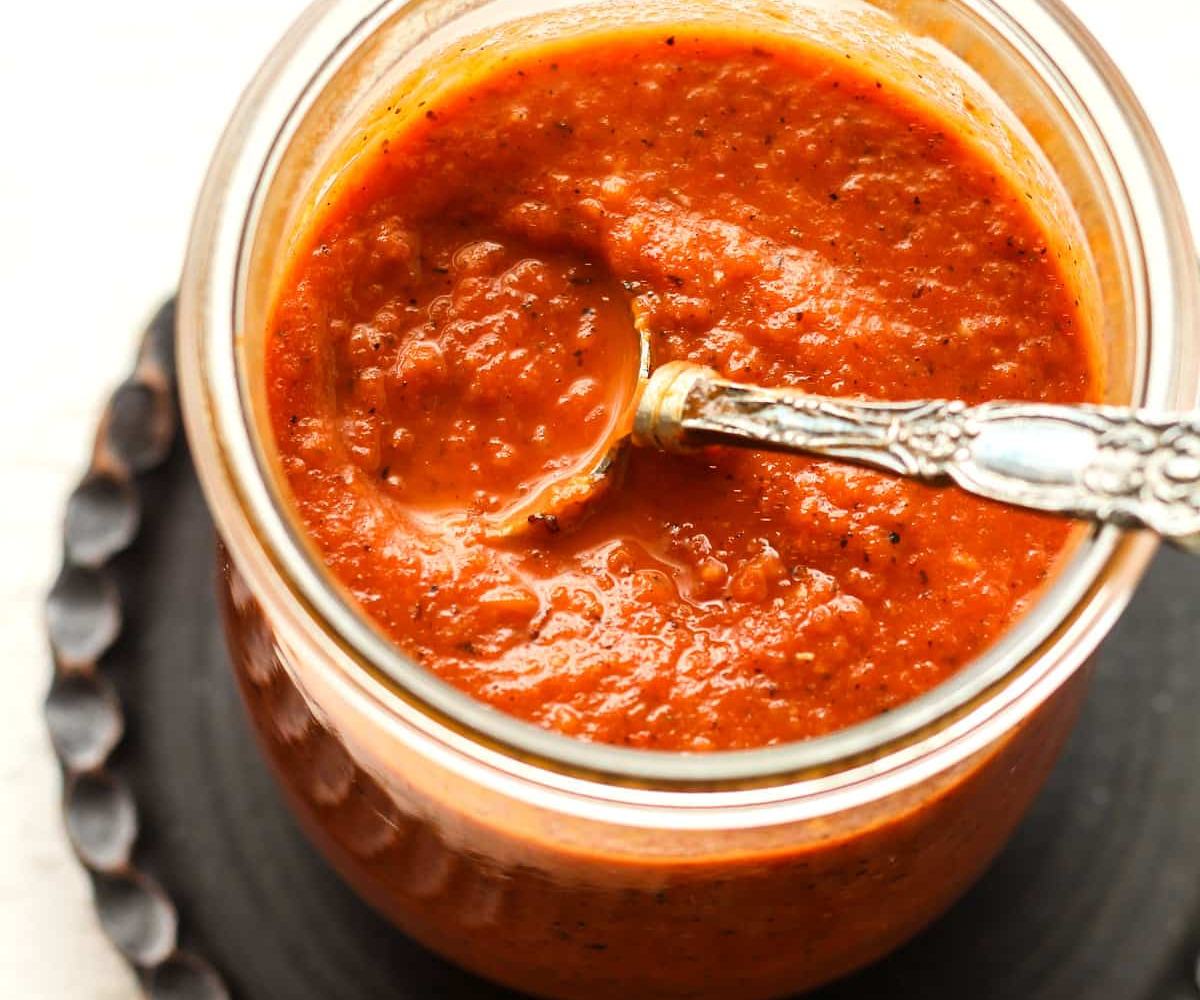
A flavorful tomato sauce simmered with aromatics in under 30 minutes. Perfect for pasta, pizza, dipping, and more.
Nutrition per 100g
Ingredients
- 20ml Olive oil
- 0.42piece Onion, chopped
- 2piece Garlic, minced
- 500g Tomato puree, canned or bottled
- 2g Granulated sugar
- 1.50g Salt
- 0.50g Black pepper, freshly ground
- 1g Dried oregano
- 1g Dried basil
Method
Place a saucepan over medium heat and add the olive oil.
Once the oil is hot, add chopped onion. Cook until the edges turn golden, stirring occasionally, around 5-7 minutes. Stir in minced garlic cloves and cook for 30–60 seconds more, just until fragrant.
Pour in the tomato puree, then add salt, granulated sugar, freshly ground black pepper, dried oregano and basil.
Bring the sauce to a gentle boil, then lower the heat and let it simmer, with the lid partially on, for about 20 minutes, stirring occasionally. The sauce should thicken and reduce by roughly 20%.
Toss the marinara sauce with your favorite pasta, spread it over a pizza base, or serve it as a dipping sauce with garlic bread or a veggie platter. Alternatively, transfer it to a jar for later use.
Storage
At room temperature
Marinara sauce shouldn’t be left at room temperature. If it isn’t served right away, place in the refrigerator or freeze it.
In the refrigerator
Let the sauce cool completely. Store for up to 3 days in a clean jar or airtight container.
In the freezer
Portion into containers or freezer bags; freeze for up to 3 months.
Thaw overnight in the fridge or gently reheat from frozen on the stovetop, or in the microwave.
Notes
Onion brings a gentle caramelized sweetness and extra depth to the flavor.
Depending on your tomato puree, you may need more or less simmering time to reach the desired consistency.
FAQ
What is marinara sauce?
Marinara sauce is an aromatic Italian tomato‑based sauce made by sauteing fragrant onion and garlic in olive oil then simmering them with tomato puree and herbs such as oregano and basil. It is widely known for its tangy yet slightly sweet tomato taste, simple staple ingredients, quick cooking time, and incredible versatility.
Should I add sugar to my tomato marinara sauce?
Add a small amount of sugar to soften the acidity if your tomatoes taste too sharp, though you may not need it at all if you're using fresh, ripe, sweet tomatoes. Canned or bottled purees often lean more acidic depending on the brand, so adding a little sugar is recommended.
Why is my marinara sauce too watery?
A watery marinara usually means the tomato puree has a high water content and simply needs more time on the stove for the moisture to evaporate. Even following the recipe's cooking time exactly, consistency can vary depending on your ingredients and cookware. For instance, fresh tomatoes or bottled passata naturally contain much more juice and often require longer simmering than thick canned puree.
To speed up evaporation use a wide pan, its larger surface area lets moisture escape faster. The sauce should simmer either fully uncovered or with the lid slightly ajar to let the steam escape without splattering on your stovetop.
What can I use marinara sauce for?
Tomato marinara sauce is a go‑to base that perfectly complements countless dishes, whether you want it tossed with pasta, gnocchi, or beans, spooned over meatballs, chicken cutlets, and roasted meat, or layered into baked classics like lasagna, cannelloni, and stuffed peppers. It also works beautifully spread over a pizza base or focaccia, or simply served alongside breadsticks and fried appetizers for dipping.